

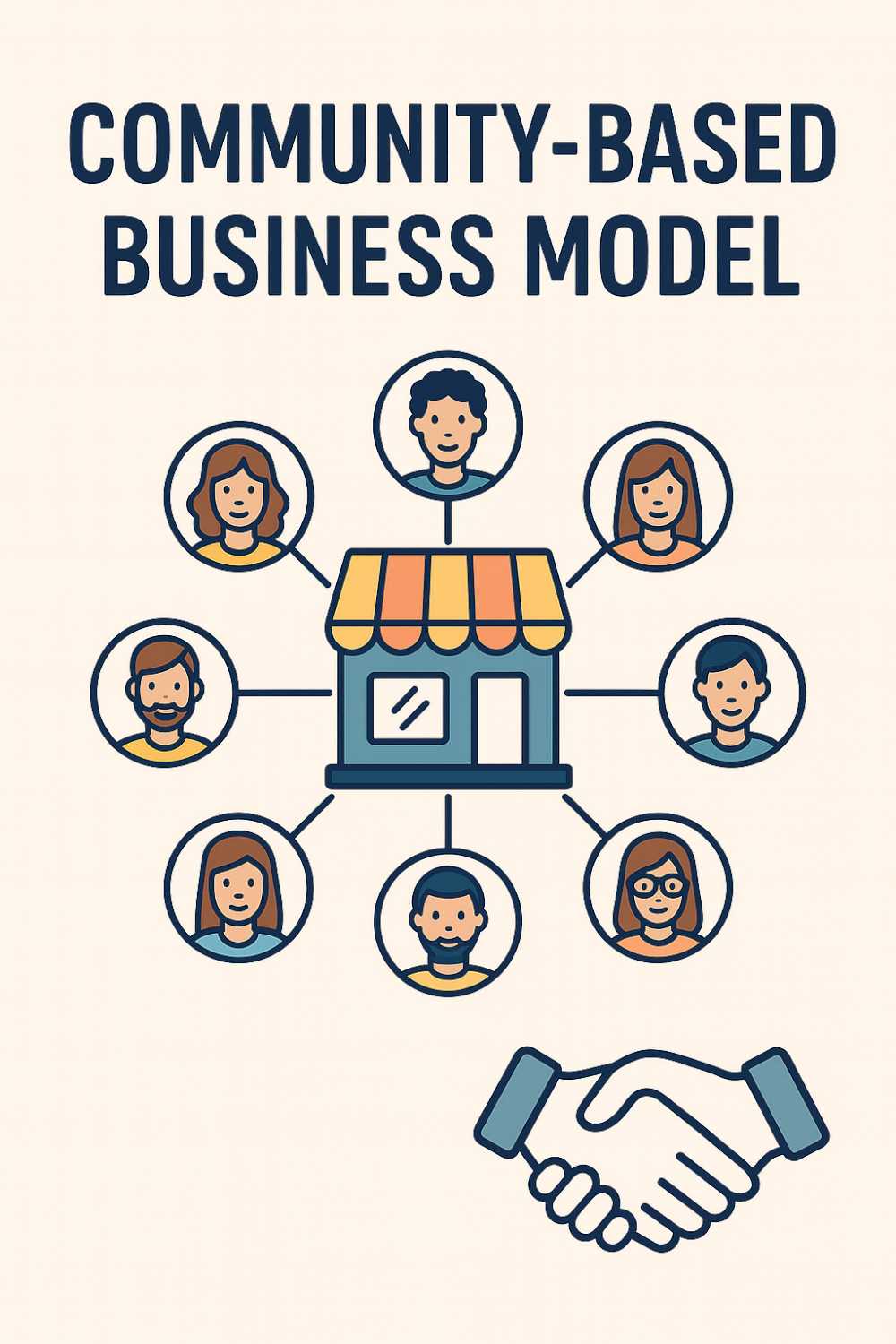
Why Community-Based Business Models Are Transforming the Future of Local Business
In today’s rapidly changing business landscape, one thing has become abundantly clear: community matters. The rise of digital platforms, the decline of traditional advertising, and the growing importance of trust-driven consumer behavior have all created a shift in how successful businesses operate. Companies that once relied solely on marketing budgets and product features are learning that long-term success thrives on relationship interactions, not transactions.
This is where the community-based business model comes into play. Instead of focusing only on selling products or services, this model builds a network of people—customers, supporters, advocates, and partners—who engage, connect, and grow together. And for small businesses especially, this approach is proving to be a powerful competitive advantage.
Traditional Business Models vs. Community-Based Business Models
To understand the impact of the community-based approach, it helps to compare it to the traditional business model most companies are familiar with.
1. Focus of the Business
Traditional Model:
The primary focus is on the product or service. The business builds something, markets it, and hopes customers will buy.
Community-Based Model:
The focus expands to include people. The business is built with the community rather than for the community. Engagement becomes just as important as the product.
2. Customer Relationship
Traditional Model:
Customer interaction is often one-way. The business produces content, ads, or promotions, and customers passively receive them.
Community-Based Model:
Communication is two-way. Customers share feedback, ideas, and experiences. They become active participants, not just buyers.
3. Marketing Approach
Traditional Model:
Marketing relies on paid advertising, sales funnels, and broad messaging aimed at reaching as many people as possible.
Community-Based Model:
Marketing is driven by relationships, word-of-mouth, referrals, user-generated content, and ongoing community events or discussions.
4. Customer Loyalty
Traditional Model:
Loyalty depends heavily on price, convenience, or occasional promotions.
Community-Based Model:
Loyalty is deep and emotional. Members feel connected to the brand, mission, and each other.
5. Growth Strategy
Traditional Model:
Growth usually requires more advertising dollars, bigger promotions, or expanding into new markets.
Community-Based Model:
Growth comes naturally as community members become ambassadors who invite others to join, helping the business to expand organically.
What Exactly Is a Community-Based Business Model?
A community-based business model centers around building a dedicated group of people (a.k.a new and existing customers) who support, interact with, and contribute to the business’s growth and success. The community might take the form of:
-
A paid membership group
-
Weekly meetups or clubs
-
Local business networks
-
Customer-driven events and learning sessions
-
A digital “hub” where members share resources, ideas, and opportunities
Instead of selling first and engaging later, read more >>
To access this full document you must be a member of our Business Mastermind Group!
If you enjoyed reading this article, login or create an account to post your feedback or comments below.
Alycia Aufderhar Very interesting article. Lots of useful nuggets and information. Thanks for sharing.