

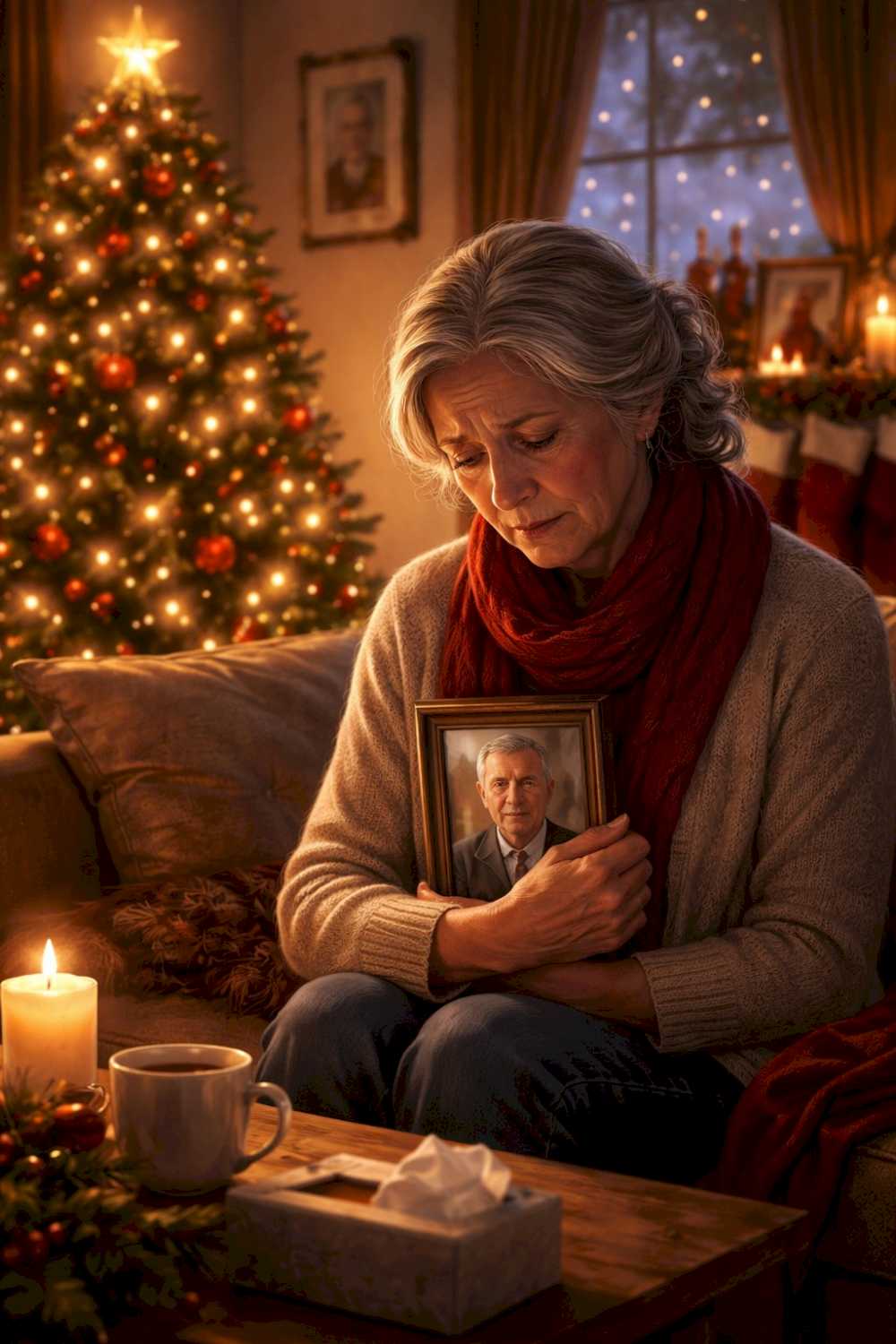
The holiday season is often painted as a time of joy, connection, and celebration. Streets glow with lights, familiar songs play on repeat, and calendars quickly fill with gatherings and traditions. Yet for someone grieving the loss of a loved one, this season can feel painfully out of step with the world around them. While others celebrate, grief can quietly grow louder, making the holidays one of the most emotionally difficult times of the year.
Loss has a way of reshaping time. During the holidays, memories surface with surprising intensity. A familiar recipe, an empty chair at the table, or a tradition that once brought laughter can now trigger waves of sadness. What was once comforting can suddenly feel unbearable. The absence is no longer abstract; it is visible, tangible, and deeply personal. Grief does not take a break because the calendar says it is time to celebrate.
Coping during the holiday season can be especially difficult because of the expectations placed on happiness. There is often an unspoken pressure to participate, to smile, and to “be okay.” For those who are grieving, this pressure can feel isolating. They may wonder why they cannot find joy the way they once did or feel guilty for not matching the festive mood of others. Grief, however, does not follow social norms or timelines. It arrives when it arrives and lingers as long as it needs to.
Many people find that the holidays intensify emotions that are already raw. Loneliness can feel heavier when gatherings highlight who is missing. Even surrounded by family and friends, a person may feel profoundly alone in their grief. Conversations may feel awkward, as others struggle to know what to say, or avoid mentioning the loved one altogether. This silence can unintentionally deepen the sense of loss, as if the person who died has vanished not only from life, but from memory as well.
At the same time, grief during the holidays can be complicated by conflicting emotions. Moments of laughter or enjoyment may appear unexpectedly, followed by a sudden rush of sadness or guilt. It is common to feel torn between wanting to honor the memory of the loved one and wanting relief from the weight of grief, even if only briefly. These emotional shifts can be exhausting, leaving a person unsure of what they are “allowed” to feel.
Coping, in this context, does not mean fixing the pain or forcing cheerfulness. Often, it means allowing space for grief to exist alongside the season. It may mean acknowledging that this holiday will be different, and that it is okay to grieve traditions that no longer feel the same. Some people find comfort in keeping certain rituals alive, while others need to step away from them entirely. Both choices are valid, and both are part of learning how to live with loss.
Grief during the holidays can also serve as a reminder of love. The pain felt is often a reflection of deep connection, shared experiences, and meaningful bonds. Remembering a loved one may bring tears, but it can also bring a quiet sense of closeness. Speaking their name, sharing stories, or simply holding their memory in your heart can be a way of honoring their presence in your life, even in their absence.
Ultimately, coping with the loss of a loved one during the holiday season is about self-compassion. It is about understanding that grief has no schedule and no rulebook. Some days may feel manageable, while others feel overwhelming. Healing does not mean forgetting, and moving forward does not mean leaving someone behind. It means learning, slowly and gently, how to carry love and loss together.