

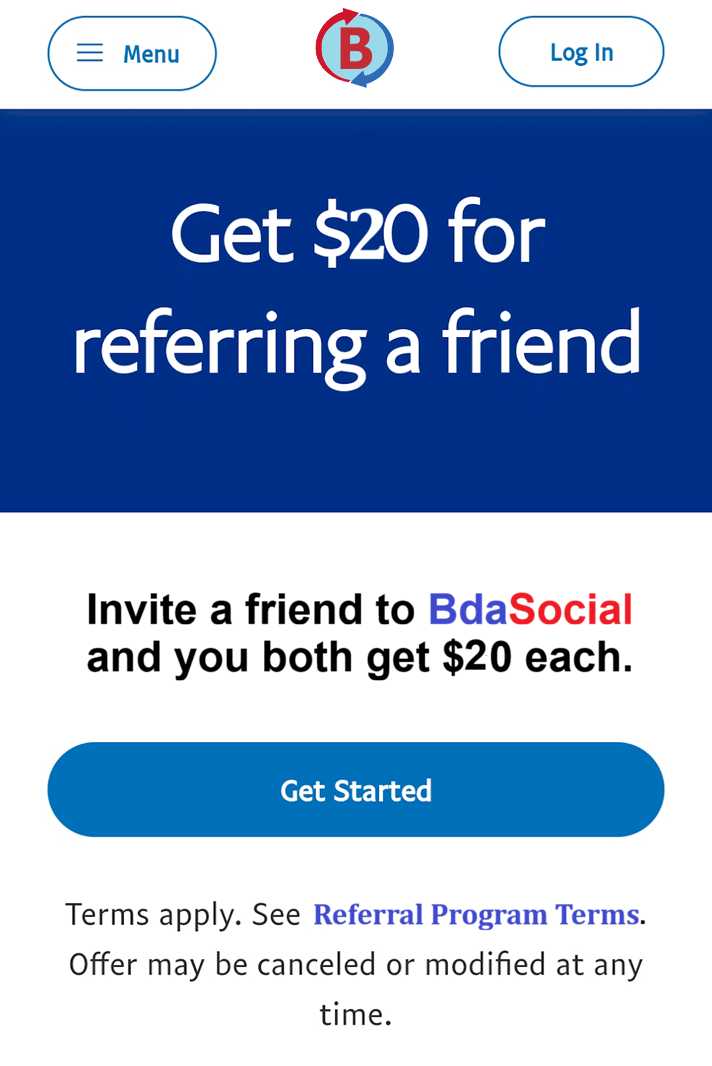
Referrals are a powerful tool in business, acting as a testament to the quality of your products or services. While traditional methods like word of mouth and customer satisfaction surveys are effective, thinking outside the box can yield even more referrals. In this article, we explore five unusual ways to generate more referrals for your business.
- Gamify Referral Programs
Traditional referral programs often follow a straightforward structure: refer a friend, get a reward. However, adding a gamification element can make the process more engaging and encourage participants to refer more people. Create a point system where customers earn points for each successful referral, and these points can be redeemed for exclusive rewards, cash or discounts.
Introduce friendly competition by displaying a leaderboard showcasing the top referrers. This taps into the human desire for recognition and achievement, motivating customers to refer more friends to climb the ranks. By infusing an element of fun and competition into your referral program, you not only boost customer engagement but also create a more memorable experience that increases the likelihood of them spreading the word about your business.
2. Host Exclusive Referral Events
Take your referral strategy to the next level by organizing exclusive events or experiences for customers who refer a certain number of people. This unconventional approach creates a sense of exclusivity and gratitude, making your customers feel valued for their efforts.
Consider hosting VIP parties, workshops, or even special product launches exclusively for your top referrers. This not only strengthens the relationship between your brand and customers but also provides an opportunity for them to become brand ambassadors in a more personal and tangible way. Exclusive events create memorable moments that customers are eager to share with their network, amplifying the impact of your referral program.
3. Collaborate with Unlikely Partners
Expand your referral network by collaborating with businesses or influencers that might seem unrelated to your industry at first glance. Seek partnerships with companies that share a target audience but operate in different sectors. This cross-industry collaboration introduces your brand to new audiences, increasing the potential for diverse referrals.
For instance, if you run a fitness apparel brand, consider partnering with a nutritionist or a wellness influencer. Your customers are likely to trust recommendations from sources they follow for related but non-competing products or services. This unconventional approach not only broadens your reach but also enhances the credibility of your business within new circles.
4. Harness the Power of User-Generated Content
Encourage your existing customers to create and share content related to your brand, products, or services. User-generated content (UGC) is a powerful tool that can organically attract referrals. Create contests or challenges where customers can submit their own videos, photos, or reviews showcasing their positive experiences with your brand.
Offer incentives for the best UGC, such as exclusive discounts, freebies, or the chance to be featured on your website or social media channels. By leveraging the creativity and authenticity of your customer base, you not only build a sense of community but also generate compelling content that resonates with potential customers. This user-generated content becomes a powerful referral tool as it authentically demonstrates the positive experiences others have had with your brand.
5. Implement Reverse Referral Programs
Flip the script on traditional referral programs by implementing a reverse referral system. Instead of rewarding the referrer, focus on providing benefits to the referred customer. Offer exclusive discounts, early access to new products, or other perks to those who were referred to your business.
This approach not only incentivizes new customers to make a purchase but also creates a positive impression of your brand from the start. As the referred customers enjoy special privileges, they may become more inclined to refer others, completing a cycle of positive reinforcement. Reverse referral programs can stand out in a crowded market and create a unique value proposition that encourages customers to share their experiences with others.
Conclusion
Referral marketing is a dynamic and evolving strategy that can be enhanced by thinking outside of the conventional box. By incorporating gamification, hosting exclusive events, collaborating with unlikely partners, harnessing user-generated content, and implementing reverse referral programs, businesses can create a more engaging and effective referral system. These unconventional tactics not only set your brand apart but also tap into the psychology of customer behavior, fostering stronger connections and increasing the likelihood of word-of-mouth referrals. What strategy will you use in your referral marketing?