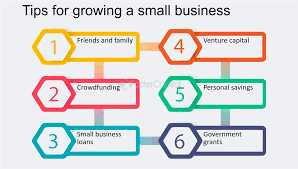

Small business growth means expanding revenue, customers, and operations through strategies like market research, digital marketing, innovation, and great customer service, focusing on sustainable increases in value and success by adapting to market needs and leveraging technology while managing risks and maintaining financial health for long-term success. Key areas in 2025 include staff expansion, digital marketing, and embracing AI, even as some face profit pressures.
Key Strategies for Growth
Market Understanding: Conduct thorough market research to understand customer needs and competitive landscapes.
Digital Presence: Invest in digital marketing and leverage technology/AI for efficiency and reach.
Customer Focus: Deliver exceptional customer service and build loyalty, as retaining customers is cheaper than acquiring new ones.
Strategic Expansion: Explore new markets, diversify product/service offerings, or find new distribution channels.
Operational Excellence: Stay organized, keep detailed records, and set clear, measurable (SMART) goals.
Financial Prudence: Manage risks and rewards, monitor profits, and ensure growth is sustainable, ideally 15-25% annually.
Modern Trends & Focus (2025)
Staffing: Many businesses plan to hire, but cost concerns remain a factor.
Technology: AI adoption is low but presents significant growth potential.
Optimism: A majority of small businesses remain optimistic about financial prospects.
How to Grow
Define Goals: Set clear objectives (e.g., revenue, customers).
Research: Understand your market and audience.
Market: Use digital marketing, partnerships, and organic strategies.
Innovate: Introduce new products or disrupt existing markets.
Scale: Grow operations smartly, potentially using coworking spaces.
Retain: Focus on customer experience and loyalty.
Analyze: Use data to track progress and adapt.
By combining strategic planning, customer focus, and smart technology adoption, small businesses can effectively expand and achieve sustainable growth.